Social Media Marketing (SMM) is the use of social media platforms like Facebook, Instagram, Twitter, and LinkedIn to promote a business, product, or service. It involves creating and sharing content such as text, images, and videos to engage with potential customers. SMM also includes running paid ads to reach a larger audience and tracking performance to see how well your efforts are working.
The main goals of SMM are to increase brand awareness, drive traffic to a website, generate leads, and build strong customer relationships. By interacting with followers and responding to comments, businesses can create a community and increase customer loyalty.
With billions of active users on social media, it has become an essential tool for businesses to reach and connect with their target audience in a cost-effective and efficient way. SMM helps businesses grow and achieve long-term success.

what does SMM work ?

Social media marketing (SMM) works by using platforms like Facebook, Instagram, TikTok, and LinkedIn to promote products, services, or brands. It involves creating and sharing engaging content, interacting with users, and running targeted ads to reach specific audiences. This strategy builds brand awareness, drives traffic, and increases sales by connecting directly with potential customers where they spend their time. Through analytics, businesses can track performance and refine their approach for better results. Social media marketing is effective because it combines wide reach, precise targeting, and real-time interaction, making it a powerful tool for growing and maintaining a loyal customer base.
Types of Social Media Marketing (SMM)
PAID SMM
ORGANIC SMM
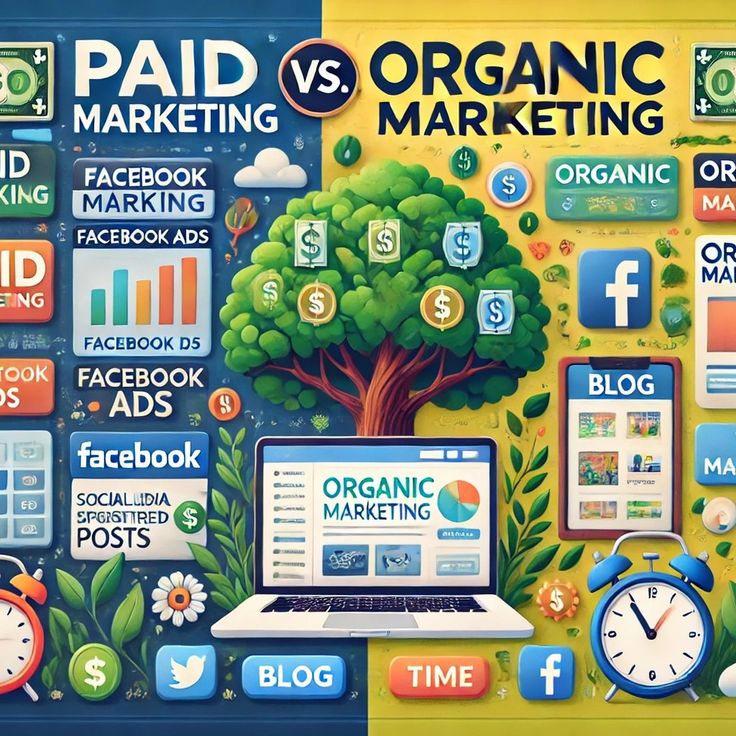
Paid social media marketing (SMM) is a strategic approach where businesses invest in targeted ads on platforms like Facebook, Instagram, and TikTok to boost visibility, engagement, and conversions. It helps brands reach specific audiences, amplify content, and drive fast, measurable results through sponsored posts, stories, and other promotional formats.

Organic social media marketing (SMM) is the art of building genuine connections and brand loyalty by sharing valuable, engaging content without paid promotion. Through consistent posts, community interaction, and authentic storytelling, businesses grow their audience naturally, foster trust, and encourage meaningful engagement across platforms like Instagram, Facebook, Twitter, and LinkedIn.
Facebook Ads:- Provides a feature-rich advertising platform with a range of targeting choices, analytics, and ad formats.
Instagram Ads:- Offers possibilities for visual-focused advertising and smoothly integrates with Facebook Ads.
Twitter Ads:- Enables quick-fire campaigns with targeting based on demographics, interests, and keywords.
LinkedIn Ads:- Targeting audiences, these ads provide efficient B2B advertising options.
Facebook:-Provides a large user base in addition to a range of engagement tools, such as pages, groups, and profiles.
Instagram:-With features like Stories, Reels, and IGTV, this platform focuses mostly on images and videos.
Twitter:-A real-time platform to share videos, photos, and short text. YouTube:-A large audience for sharing videos, this platform has the ability to grow organically through channel construction.
How Paid and Organic Social Media Marketing (SMM) Work ?
Paid and organic social media marketing work together to build a strong, well-rounded digital presence.
Organic social media marketing, focuses on creating authentic, engaging content that builds trust and community over time—without spending money. This includes regular posts, stories, reels, and direct interaction with followers. It's ideal for nurturing loyalty and establishing brand identity.
Paid social media marketing, on the other hand, uses targeted ads to reach specific audiences quickly. Brands pay to promote content, run campaigns, and drive actions like website visits, leads, or sales. Platforms like Facebook, Instagram, and LinkedIn offer detailed targeting to reach the right users at the right time.
When combined, organic content builds credibility while paid ads expand reach and boost performance. Paid campaigns can promote high-performing organic posts, while organic engagement helps maintain relationships with the audience attracted by ads—creating a balanced, effective social strategy.