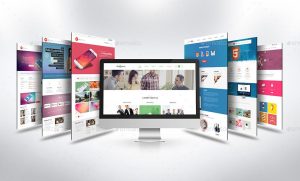
🌟 How to Build a Strong Online Portfolio That Grows Your Career in 2025
In today’s digital world, your online portfolio is more than just a collection of your work — it’s your personal brand, your resume, and your first impression all rolled into one.
Whether you’re a freelancer, designer, content writer, marketer, developer, or entrepreneur, your portfolio speaks for you before you even say a word. A strong online portfolio can open doors to new opportunities, attract clients, and build lasting professional credibility.
But how do you actually build one that stands out from the crowd?
In this detailed guide, we’ll explore everything you need to know about how to build a strong online portfolio, step-by-step — from choosing the right platform to designing, writing, and promoting it.
🌍 What Is an Online Portfolio?
An online portfolio is a digital collection of your best work, skills, achievements, and experiences — all showcased in one professional website or page.
Think of it as your digital business card — but far more powerful.
While a resume tells people what you can do, a portfolio shows them what you’ve already done.
It can include:
-
Case studies
-
Projects
-
Blog posts
-
Client testimonials
-
Certificates
-
Videos or creative samples
In short, it’s proof of your talent — easily shareable with the world.
💡 Why You Need an Online Portfolio in 2025
In 2025, having a strong online portfolio isn’t optional — it’s essential. Here’s why 👇
1️⃣ First Impressions Happen Online
When someone Googles your name, what do they find?
If it’s a polished, professional portfolio — you instantly gain credibility.
If it’s nothing or random social profiles — you might lose opportunities.
Your portfolio helps you control that first impression.
2️⃣ Builds Trust and Authority
Clients and employers don’t just want to hear you’re skilled — they want to see proof.
An online portfolio acts as real evidence of your abilities, increasing trust in your work.
3️⃣ Helps You Stand Out
In a world filled with resumes, a great portfolio sets you apart.
It shows creativity, initiative, and confidence — qualities that make you memorable.
4️⃣ Boosts Visibility and Opportunities
A well-optimized portfolio can help you appear in Google search results, increasing your chances of being discovered by recruiters, brands, or collaborators.
5️⃣ Builds Your Personal Brand
Your portfolio reflects who you are and what you stand for.
From your color scheme to your bio — it tells your story in a way a resume never could.
🧭 Step-by-Step Guide: How to Build a Strong Online Portfolio
Let’s break it down into 7 practical steps 👇
🪄 Step 1: Define Your Purpose and Audience
Before you start designing or writing anything, ask yourself:
👉 “Who am I creating this portfolio for?”
👉 “What kind of work do I want to showcase?”
Your portfolio should be goal-driven, not random.
Examples:
-
A graphic designer might focus on visuals and design process.
-
A content writer might focus on writing samples and storytelling.
-
A digital marketer might showcase campaign results and analytics.
-
A developer might include GitHub links and live demos.
Once you know your audience and purpose, it becomes easier to decide what to include and how to structure it.
💻 Step 2: Choose the Right Platform
You don’t need to be a coding expert to build a professional portfolio. There are plenty of platforms that make it easy.
Here are some great options:
| Platform | Best For | Highlights |
|---|---|---|
| WordPress | All professionals | Fully customizable, SEO-friendly |
| Wix | Creatives | Drag-and-drop design, modern templates |
| Squarespace | Designers, photographers | Elegant layouts, easy setup |
| Behance | Designers, artists | Free platform, creative networking |
| LinkedIn Portfolio | Professionals | Combines resume + project showcase |
| GitHub Pages | Developers | Perfect for coding portfolios |
| Notion / Canva Sites | Beginners | Simple, modern, easy to maintain |
If you run a business (like your agency InternetVibe), use a custom domain like:
👉 www.internetvibeportfolio.com or www.yourname.com
A custom domain adds professionalism and boosts credibility.
🧱 Step 3: Structure Your Portfolio Smartly
A strong portfolio isn’t just about showing work — it’s about presenting it beautifully and logically.
Here’s a structure that works perfectly:
🏠 1. Home Page
Your introduction. Keep it clean and impactful.
-
A professional photo
-
A short tagline (e.g., “Digital Marketer Helping Brands Grow Online”)
-
A CTA (Call-to-Action) like “View My Work”
👤 2. About Me Page
Tell your story — who you are, what you do, and why you do it.
Be authentic. Use storytelling instead of a dry resume tone.
Example:
“I’m a content strategist who believes words can shape emotions and drive action.”
💼 3. Portfolio / Work Samples
This is the heart of your site.
Showcase 5–10 of your best projects — not everything you’ve ever done.
For each project, include:
-
Title
-
Client or company name
-
Objective or problem
-
Your role
-
Tools used
-
Results achieved
Example:
“Ran a Facebook Ads campaign for XYZ Brand — achieved a 300% increase in leads within 45 days.”
✍️ 4. Blog or Insights Section
Write about your expertise, share case studies, or trends in your field.
This builds authority and helps with SEO ranking.
💬 5. Testimonials
Add genuine reviews or quotes from past clients or employers.
Testimonials add social proof, which builds trust instantly.
📞 6. Contact Page
Keep it simple:
-
Email
-
Contact form
-
Social links
-
Location (optional)
🎨 Step 4: Design with Simplicity and Personality
When it comes to portfolio design, less is more.
A cluttered layout can distract visitors from your actual work.
Tips for clean design:
-
Use consistent colors that match your personality or brand
-
Choose legible fonts
-
Keep plenty of white space
-
Use high-quality visuals
-
Make it mobile-friendly
Add a personal touch — your style, tone, and creativity should shine through.
Remember:
“Your portfolio design should reflect the quality of your work.”
🖼️ Step 5: Curate and Present Your Best Work
Quality matters more than quantity.
Pick your strongest 6–10 projects that represent your range of skills.
For each project, write a mini case study:
-
What was the challenge?
-
What strategy did you use?
-
What was the result?
Example:
“Client wanted more website traffic. I optimized their SEO strategy, resulting in a 65% increase in organic visits within 3 months.”
Use before-and-after visuals where possible — people love seeing transformation.
🧭 Step 6: Optimize for SEO
If you want your portfolio to rank on Google, make sure it’s SEO-friendly.
Here’s how:
✅ Use relevant keywords (like “digital marketing portfolio,” “freelance designer,” “SEO expert”)
✅ Add alt-text to images
✅ Write meta titles & descriptions
✅ Optimize loading speed
✅ Add backlinks to your social profiles
A strong SEO foundation helps potential clients discover you organically.
🚀 Step 7: Promote Your Portfolio
Building your portfolio is half the battle — promoting it is the other half.
Here’s how you can drive traffic:
-
Add your portfolio link to your LinkedIn, Instagram, and Email Signature
-
Share your case studies on social media
-
Create short videos or Reels showcasing your work
-
Submit your portfolio to creative directories (like Behance or Dribbble)
-
Network in Facebook or LinkedIn groups
The more people see your portfolio, the more opportunities you’ll attract.
🌟 Pro Tips to Make Your Portfolio Stand Out
🔥 Add Personality – Show your unique voice, don’t sound robotic.
🔥 Keep Updating – Refresh your portfolio every few months with new work.
🔥 Use Storytelling – Tell the “why” behind each project.
🔥 Add Data – Show measurable results when possible.
🔥 Make it Easy to Navigate – Visitors should find your best work in seconds.
🔥 Show Social Proof – Include testimonials, logos of brands you’ve worked with, or certifications.
🔥 Add a Video Intro (optional) – A short 30-second clip introducing yourself can make a big impact.
💼 Example: Perfect Portfolio Flow for a Digital Marketer
Homepage: “Hi, I’m Raj — Digital Marketing Expert Helping Businesses Grow Online.”
About Page: Your story, achievements, and career goals.
Portfolio Page: Case studies – SEO, Ads, Social Media Campaigns.
Blog Page: Articles on marketing, trends, and client success stories.
Contact Page: Professional CTA – “Let’s Build Something Amazing Together.”
This simple structure can work for any creative or professional.
🧠 Common Mistakes to Avoid
❌ Adding too many irrelevant projects
❌ Ignoring SEO optimization
❌ Using generic templates without customization
❌ Forgetting contact info
❌ Not proofreading grammar and spelling
❌ Overcomplicating the design
Avoid these, and your portfolio will already be ahead of 90% of others online.
🏁 Conclusion
Building a strong online portfolio isn’t just about displaying your work — it’s about telling your professional story in a way that inspires confidence.
Your portfolio should communicate three things clearly:
1️⃣ Who you are
2️⃣ What you do best
3️⃣ Why people should trust you
With the right mix of strategy, creativity, and authenticity, your portfolio can become your most powerful marketing tool — attracting clients, jobs, and collaborations from around the world.
Remember, your portfolio is a living document — keep it updated, refined, and full of personality.
And once it’s live, share it proudly — because your next big opportunity might just be one click away.